Guides / Bulk carrier chartering
Bulk carrier chartering
Bulk carriers move dry cargo loose in their holds: grain, coal, ore, fertiliser, cement and steel. Here is what they carry, the sizes available and what an owner needs to quote.
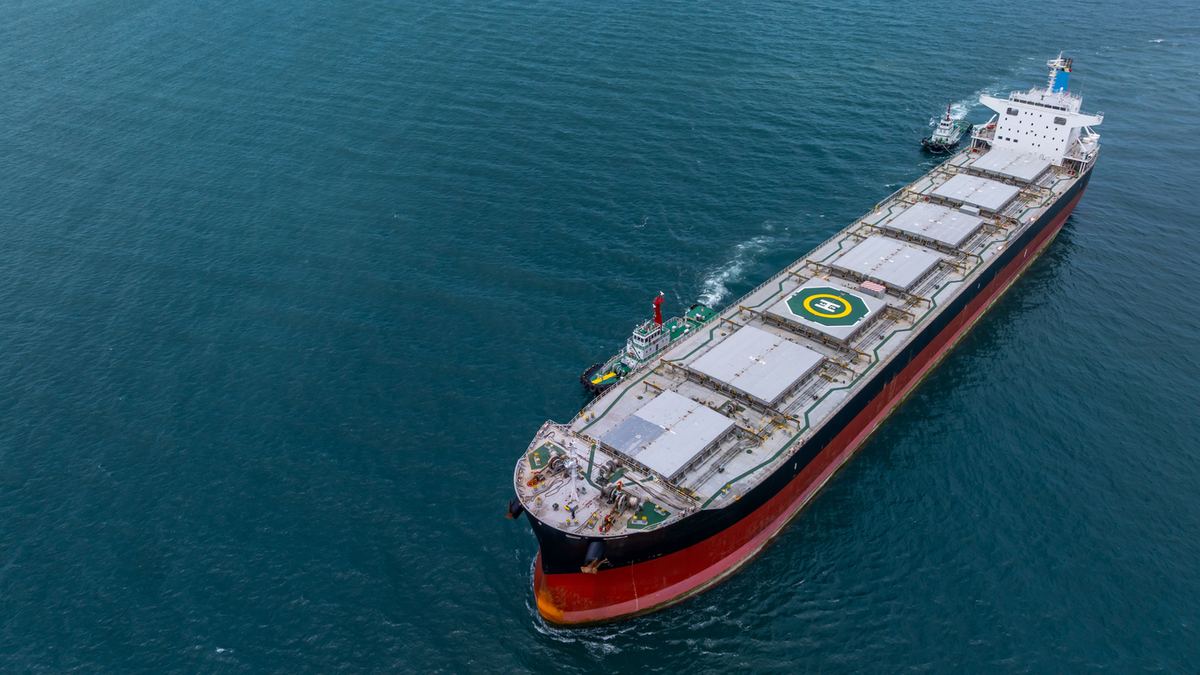
What a bulk carrier carries
Grain and oilseeds, coal, iron ore, bauxite, fertilisers, cement and clinker, steel products, sugar, salt, sulphur, petcoke and bagged goods.
Sizes
| Class | Size (DWT) |
|---|---|
| Mini bulker | Under 10,000 |
| Handysize | 10,000 to 39,999 |
| Handymax | 40,000 to 49,999 |
| Supramax | 50,000 to 59,999 |
| Ultramax | 60,000 to 66,999 |
| Panamax | 67,000 to 79,999 |
| Kamsarmax | 80,000 to 86,999 |
| Post-Panamax | 87,000 to 119,999 |
| Capesize | 120,000 to 199,999 |
| Newcastlemax | 200,000 to 219,999 |
| Very large ore carrier | 220,000 and above |
See all ship sizes and the class finder.
How they are chartered
GENCON for voyages, with NORGRAIN or SYNACOMEX for grain and AMWELSH for coal. NYPE for time charters. Freight is quoted in US dollars per tonne, or per day on time charter. For the difference between the two, see voyage and time charters.
What an owner needs from you to quote
- Cargo and its stowage factor
- Quantity and tolerance, for example 30,000 tonnes 10% more or less
- Load and discharge ports, and any draught limits
- Laycan
- Loading and discharging rates per day, and whether Sundays and holidays count
- Whether the ship’s own cranes and grabs are needed
- Any hazards under the IMSBC Code, such as cargoes that may liquefy
An enquiry with all of this can be priced without a phone call. One without it usually goes unanswered.
Published 22 November 2026. General information for people new to chartering, not legal advice.