Guides / The shadow fleet
The shadow fleet
The shadow fleet, also called the dark fleet, is the loose group of ships, mostly older tankers, that carry sanctioned oil and other restricted cargoes while concealing their ownership, their movements or both.
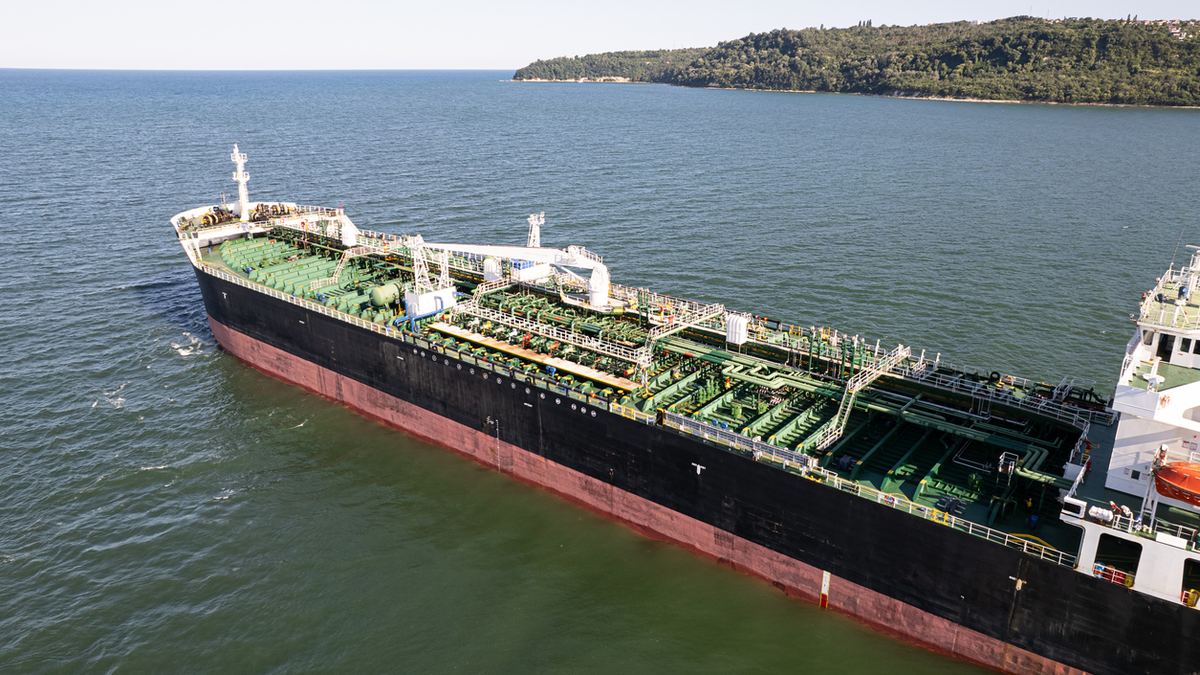
Why it matters to you: chartering, loading or supplying one of these ships can breach sanctions, void your insurance and get later cargoes refused, even if you did not know.
How these ships operate
- Opaque ownership. Single-ship companies in places that publish little, changed often.
- Flag hopping. Frequent moves between registries, sometimes to flags that do not exist or did not agree to register the ship.
- Going dark. Switching off the AIS transponder, or transmitting a false position, around loading.
- Ship-to-ship transfers. Moving cargo between tankers at sea to blur where it came from.
- Weak insurance and class. Cover from insurers outside the International Group of P&I Clubs, and class from societies outside the main group, or none.
- Age. Many are well past the age at which major charterers stop accepting a tanker.
Warning signs on a ship you are offered
- The name or flag changed in the past year or two, more than once.
- The registered owner was formed weeks before it bought the ship.
- Nobody will send a certificate of entry from a P&I club you can verify with the club.
- Unexplained gaps of days in its position history, especially near sanctioned ports.
- Recent ship-to-ship transfers in known transfer areas with no commercial explanation.
- A freight rate well below the market for the route.
What to check, and where
- Identity. The IMO number stays with a hull for life. Use it, not the name, to trace former names, flags and owners.
- Sanctions lists. Search the ship, its owner and its manager on the UK, EU, US and UN lists. Ships are listed by IMO number.
- Flag and class. Confirm both with the registry and the classification society directly.
- Insurance. Ask for the certificate of entry and confirm it with the club.
- Movements. Look at the last several months of positions and port calls from a tracking service.
What it does not mean
An old ship, a small owner or an unfamiliar flag is not proof of anything. Most ships with one of these features are trading lawfully. It is the combination, and a refusal to answer plain questions, that should stop a deal. See the wider checklist in know your vessel.
This is general information, not legal advice. Sanctions rules change often and differ between countries. FindAVessel does not screen ships or companies; you are responsible for your own checks.
Put it into practice
FindAVessel lets cargo owners post a full shipload and receive firm offers from verified vessel owners and brokers, with subjects, payment and the time log in one record.
Published 22 November 2026. General information for people new to chartering, not legal advice.