Guides / Safe port
Safe port
A safe port is one that the particular ship can reach, use and return from without being exposed to danger that good navigation and seamanship cannot avoid, unless something abnormal happens. When a charter lets the charterer choose the port, the charterer usually promises that it will be safe.
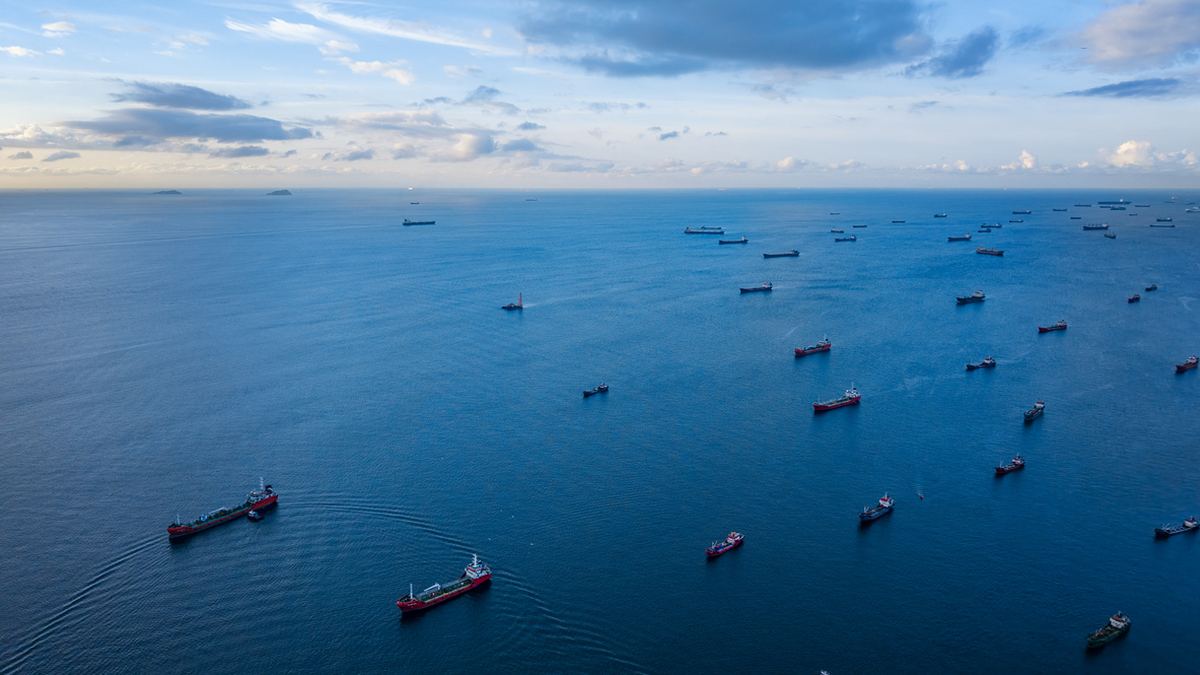
What makes a port unsafe
- Physical. Too little water, uncharted obstructions, poor fendering, no tugs or pilots when they are needed, no warning system for bad weather.
- Political. War, seizure or blockade that the ship cannot avoid.
- For that ship. A port can be safe for a small ship and unsafe for a large one.
What does not make it unsafe
- Ordinary hazards that a competent crew deals with.
- A one-off, abnormal event that nobody could have expected.
- Delay alone, unless it is so long that it defeats the charter.
When the promise is given
It is judged when the charterer names the port: the port must be expected to be safe for the time the ship will be there. If it becomes unsafe afterwards, a time charterer generally has to give fresh orders.
Named ports and ranges
If the charter party names the port and contains no safety wording, the owner is usually taken to have accepted it. If the charterer chooses from a range ("one safe port Mediterranean"), the promise bites in full.
What is at stake
If the ship is damaged because the port was unsafe, the owner can claim the repair cost and the lost time from the charterer. These are some of the largest claims in shipping, and they are the main reason charterers buy charterers’ liability insurance.
Before you name a port
Check depths, restrictions and recent incidents with a local agent, and confirm the ship fits. FindAVessel lists ports by country for reference only; it does not hold depth or restriction data.
General information, not legal advice.
Put it into practice
FindAVessel lets cargo owners post a full shipload and receive firm offers from verified vessel owners and brokers, with subjects, payment and the time log in one record.
Published 22 November 2026. General information for people new to chartering, not legal advice.