Guides / Gas carrier chartering
Gas carrier chartering
Gas carriers move liquefied gases under pressure, refrigeration or both: LPG, ammonia, petrochemical gases and LNG. Here is what they carry, the sizes available and what an owner needs to quote.
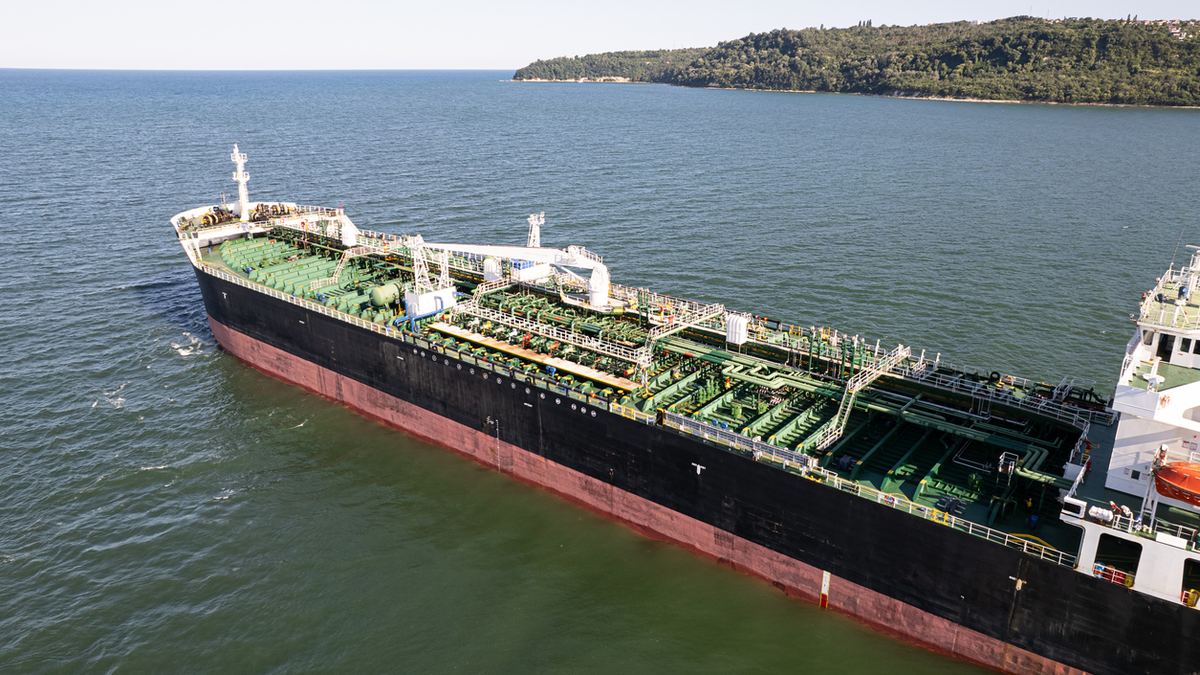
What a gas carrier carries
Propane and butane (LPG), ammonia, ethylene, ethane, propylene and other petrochemical gases, and LNG on dedicated carriers.
Sizes
| Class | Size (cubic metres) |
|---|---|
| Small gas carrier (pressurised) | Under 5,000 |
| Small gas carrier | 5,000 to 14,999 |
| Handysize gas carrier | 15,000 to 24,999 |
| Medium gas carrier | 25,000 to 39,999 |
| Large gas carrier | 40,000 to 59,999 |
| Very large gas carrier | 60,000 and above |
See all ship sizes and the class finder.
How they are chartered
ASBAGASVOY or GASVOY for voyages; SHELLTIME and SHELLLNGTIME for time charters. LPG freight is quoted in dollars per tonne; LNG carriers are mostly hired by the day. For the difference between the two, see voyage and time charters.
What an owner needs from you to quote
- Cargo grade and specification
- Quantity in tonnes
- Load and discharge ports
- Laycan
- Required condition of the tanks on arrival, for example under vapours of the same cargo
- Vetting requirements
An enquiry with all of this can be priced without a phone call. One without it usually goes unanswered.
Published 22 November 2026. General information for people new to chartering, not legal advice.