Guides / FuelEU Maritime
FuelEU Maritime
FuelEU Maritime is an EU regulation, in force for ships since 2025, that limits the greenhouse gas intensity of the energy a ship uses. The limit tightens in steps to 2050.
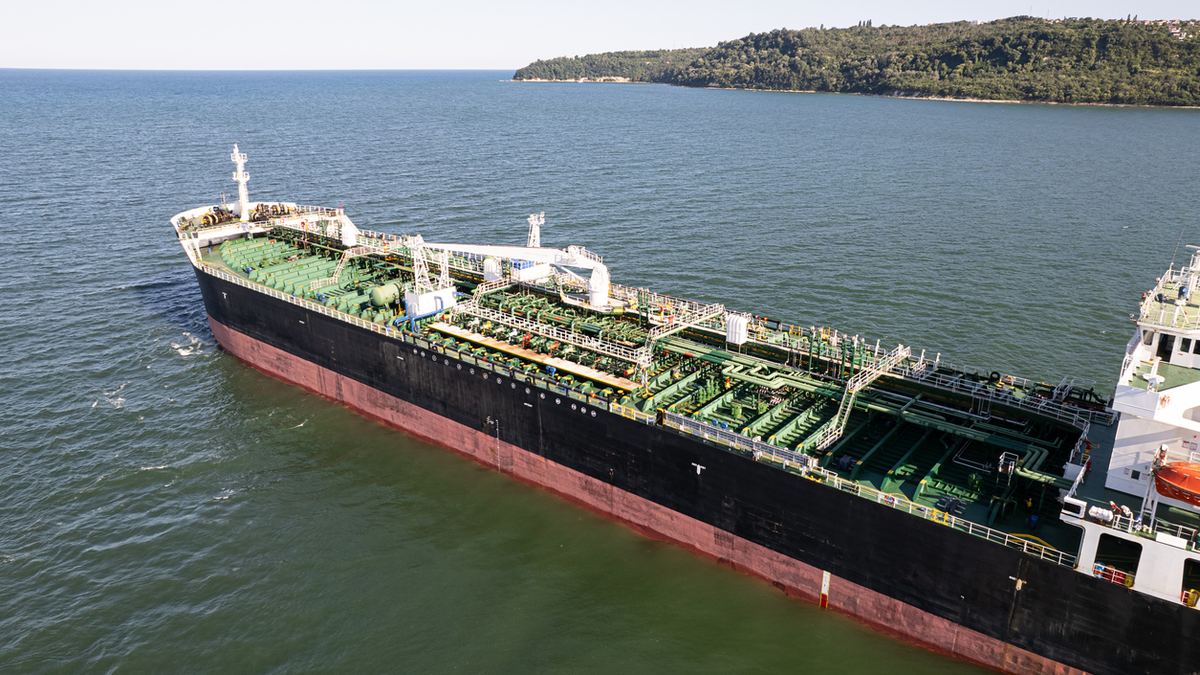
How it differs from the EU ETS
The EU ETS puts a price on how much a ship emits. FuelEU regulates how clean the energy is per unit used, counted from production of the fuel to its use on board. A ship can be subject to both.
Scope
Ships above 5,000 gross tonnage calling at EU ports, with the same voyage rule as the ETS: all of the energy used between EU ports and at berth, and half of that used on voyages into or out of the EU.
How a ship complies
- Use fuels with lower life-cycle emissions, such as certain biofuels.
- Bank a surplus from one year for the next, or borrow against the next within limits.
- Pool with other ships so that one ship’s surplus covers another’s deficit.
- Pay a penalty for any remaining deficit.
Who bears the cost
As with the ETS, the regulation makes the shipping company responsible, and the charter party decides who pays. A time charterer who buys the fuel is usually made responsible for the result of its fuel choices. Agree this in the charter, and agree who gets the benefit if the ship ends the year in surplus.
What it means for a newcomer
If you charter a ship for a voyage touching the EU, ask the owner how FuelEU and ETS costs are treated in the rate. If you own a ship, a time charter without a clause on these costs leaves you carrying them.
Sources, read 22 November 2026: European Commission: reducing emissions from the shipping sector. Rules change: check the current text before relying on this summary. General information, not legal advice.
Put it into practice
FindAVessel lets cargo owners post a full shipload and receive firm offers from verified vessel owners and brokers, with subjects, payment and the time log in one record.
Published 22 November 2026. General information for people new to chartering, not legal advice.