Guides / Deadweight tonnage (DWT)
Deadweight tonnage (DWT)
Deadweight tonnage, or DWT, is the total weight a ship can carry when loaded to its summer load line: cargo plus fuel, fresh water, stores and crew. It is the main measure of size for tankers and bulk carriers.
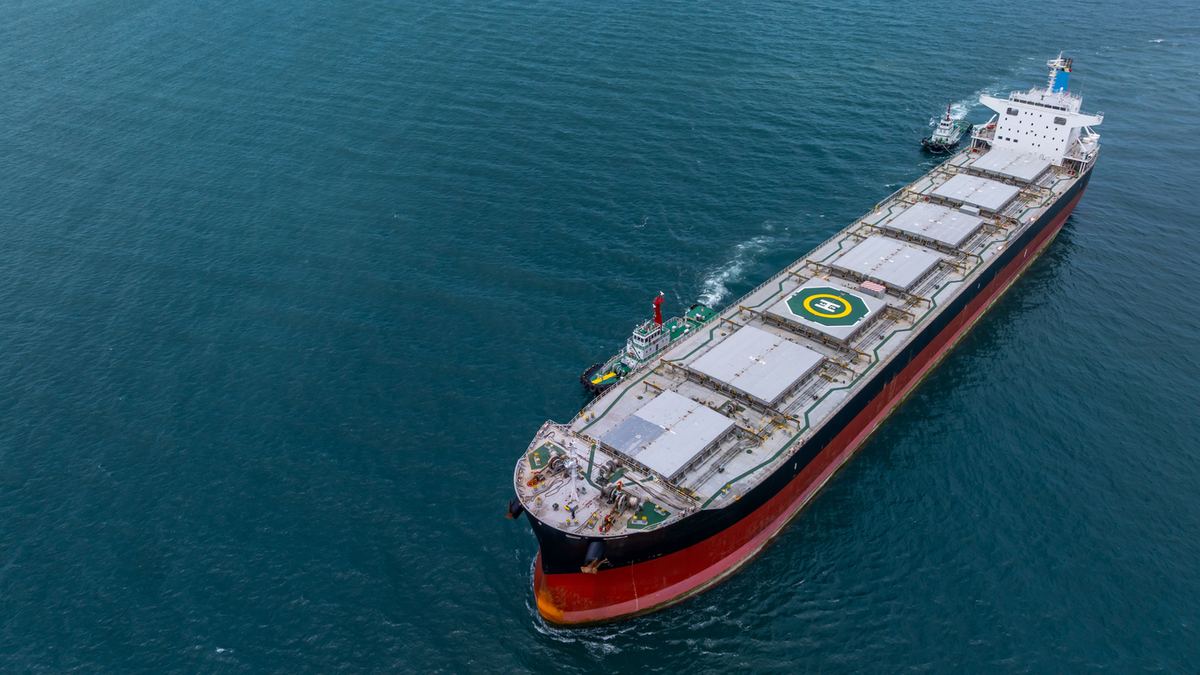
Deadweight is not cargo capacity
Fuel, water and stores come out of the deadweight before cargo does. A 58,000 DWT bulk carrier will typically load about 55,000 to 56,000 tonnes of cargo, less if it bunkers heavily for a long voyage or if a port restricts its draught.
The measures people confuse
| Measure | What it is | Used for |
|---|---|---|
| Deadweight (DWT) | Weight the ship can carry, in tonnes | Size of tankers and bulk carriers; chartering |
| Gross tonnage (GT) | Internal volume of the whole ship. Not a weight. | Port dues, regulations, crew rules |
| Net tonnage (NT) | Volume of the cargo spaces | Canal tolls and some port charges |
| Displacement | Weight of water the ship displaces: its own weight plus what it carries | Naval architecture; warships |
| Lightweight | Weight of the empty ship | Scrap value |
Why "summer" deadweight
A ship may load deeper in some seasons and zones than others. The quoted figure is normally the summer deadweight, at the summer load line marked on the hull. In winter zones or fresh water the permitted draught, and so the cargo, changes.
Volume matters too
Light cargoes fill the holds before they reach the weight limit. That is why bulk carrier listings also give grain and bale capacity in cubic metres, and why a cargo enquiry should state the stowage factor. See ship sizes for the classes built on deadweight.
Put it into practice
FindAVessel lets cargo owners post a full shipload and receive firm offers from verified vessel owners and brokers, with subjects, payment and the time log in one record.
Published 22 November 2026. General information for people new to chartering, not legal advice.